


Latest Posts


Our Story
Welcome to the Eastern Band of the Appalachian Nation.
We are a people historically rooted in Shaconage, commonly referenced as the “Land of the Blue Smoke,” within the Appalachian region.
The Tribal Territory historically associated with the Eastern Band of the Appalachian Nation encompasses areas of present-day Western North Carolina and South Carolina, including Henderson, Rutherford, Burke, McDowell, Caldwell, Catawba, and Polk Counties in North Carolina, as well as Spartanburg, Greenville, Oconee, Cherokee County, and Orangeburg Counties in South Carolina.
The People of the Eastern Band of the Appalachian Nation are organized through two head clans: the Apalwahci Mvskoke and the Apalwahci Siouan. These head clans represent descendant and affiliated lineages originating from Indigenous towns historically associated with the Mvskoke (Creek) Confederacy, which included communities commonly identified as the Lower Cherokees of South Carolina and the Euchee, as well as from Eastern Siouan-speaking Indigenous groups whose historical presence extended from present-day Virginia into the Appalachian Highlands.
Through documented patterns of intermarriage, treaty relationships, migration, and community affiliation, members of Mvskoke-Creek-associated peoples became interconnected with Siouan Indigenous communities. These kinship networks also include families and communities historically referred to in regional records as the Brass Ankles of South Carolina and the Redbone people.
These great people were composed of matrilineal clans that formed a powerful alliance in Western North Carolina, South Carolina and through intermarriage with neighboring clans, Virginia. Historically, the women of the Mvskoke-Creek and Cherokee County, SC owned the family property, reared the children and held seats on the high council.
During the European invasion, many of the tribes of the Appalachian Mvscoke Creek Confederacy formed and joined the Cherokee Nation Alliance for more protection in numbers, while other towns such as Hendersonville, chose to remain independent. Due to numerous wars, sieges, slavery and the Trail of Tears many families of the Mvskoke (Creek) Confederacy were forced to assimilate into the landscape of the Mountains and forcibly adopt Scot-Irish surnames.
The Apalwahči Siouan Line
Alongside our Mvskoke-Creek roots, the Apalwahči Nation carries a deep and enduring Siouan lineage rooted in the Appalachian and Piedmont regions of present-day Western North Carolina and southern Virginia. This lineage includes ancestral connections to Siouan-speaking peoples such as the Saponi, Tutelo, Occaneechi, Monacan, and related allied towns who historically inhabited the river valleys, foothills, and mountain corridors stretching through Burke, Caldwell, Watauga, Catawba, and surrounding counties. These communities were sophisticated agricultural societies, strategically positioned along trade routes, and known for their diplomacy, adaptability, and inter-tribal alliances.
As colonial expansion, warfare, enslavement, and land dispossession intensified during the 17th and 18th centuries, many Siouan families were forcibly displaced, consolidated into mission towns, or pushed south and west into the Appalachian interior. Some sought refuge among neighboring Indigenous nations, while others remained in their homelands by blending into rural mountain communities, adopting European surnames, and navigating restrictive racial classifications. Despite these pressures, Siouan identity persisted through kinship networks, oral traditions, land stewardship, and intermarriage with Mvskoke-Creek, Cherokee-affiliated, Croatan, and Powhatan-connected families.
The Apalwahči Siouan line represents continuity, survival, and remembrance. Though often rendered invisible by state records and white-washed histories, these families never disappeared. Today, we honor our Siouan ancestors by restoring their place within our collective story—recognizing their role in shaping the cultural, political, and familial foundations of the Apalwahči Nation. Through careful research, community verification, and ancestral responsibility, we reclaim what was always ours: our people, our land ties, and our living identity.
White washed history has attempted to erase the legacy and present-day existence of the clans of the Mvscoke (Creek) Confederacy but we are here, reclaiming our story. The Eastern Band of the Apalwahči.
Our Initiatives
Healing the People by Healing the Land.

Local Impact
Creating Change
Our Local Empowerment program is a source of great pride for the Appalachian Nation. We believe in making a real difference in the lives of those we serve.
Education
Rewriting the Narrative
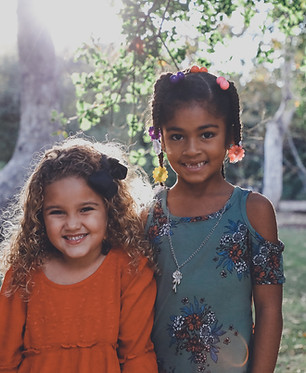
Through our Education & Capacity Building program, we preserve the history and cultural traditions of our Nation to continue the enrichment of our communities and preservation of legacy.

Earth Stewardship
Protecting Mother Earth.
Our Earth Stewardship initiative helps Eastern Band of the Appalachian Nation ensure that our communities are better prepared to reclaim and preserve land bestowed upon us by Mother Earth.